Wound coating
Understanding the different types of wound coatings, such as lose or adherent slough, is essential for effective treatment and management. These coatings can significantly impact the healing process, and recognizing them is the first step towards appropriate debridement.
Devitalised Tissue
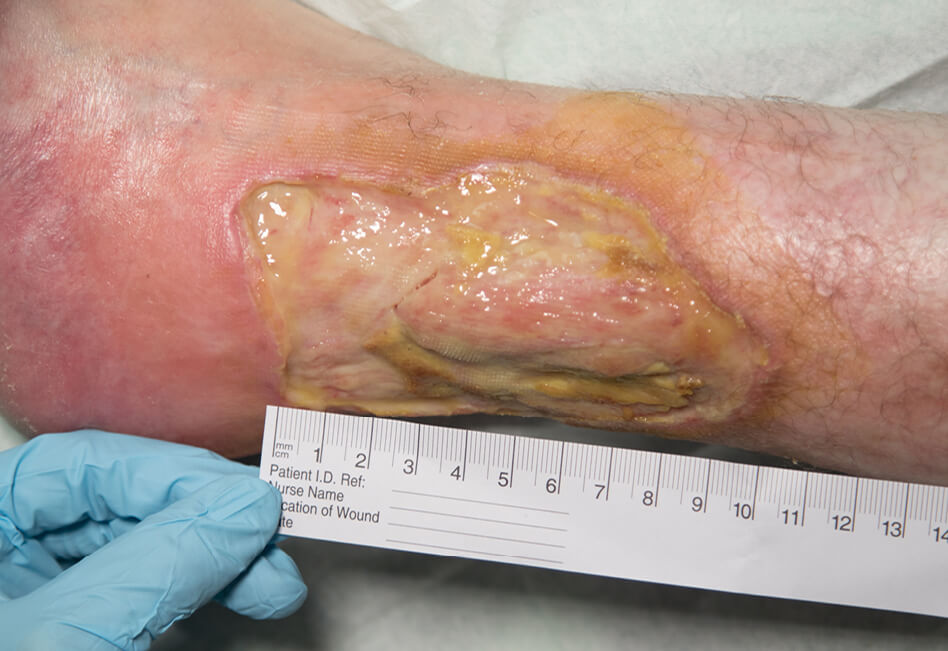
Photos used with
patient’s kind consent
Tissue that has lost its normal physiological function and is no longer viable = necrotic tissue, debris, or slough1
Barrier to wound healing1:
-
- Reduces antimicrobial efficacy
- Hinders migration of healthy cells
- Impedes wound progression
- Source of microbial bioburden:
– Support for microbial adhesion
– Creates hypoxic environment conductive to microbial growth
– Nutrient rich environment
What is slough?
- Layer of devitalised tissue that may impair wound healing2
- Complex mixture of exudate proteins, degraded extracellular matrix proteins, white blood cells and microorganisms2
- Can occur in acute and chronic wounds. In acute wounds it’s mostly easy to remove. In chronic wounds it can be associated with inflammation, infection or biofilm2
- Varying colour (cream, yellow, greyish, tan)2
- Loose or firmly attached2
loose slough
- Moist, yellow, whitish
- Dead tissue, debris
- Debridement: different possibilities also mechanical debridement2
Hint: the soft white side of Debrisoft easily removes and absorbs debris and exudate
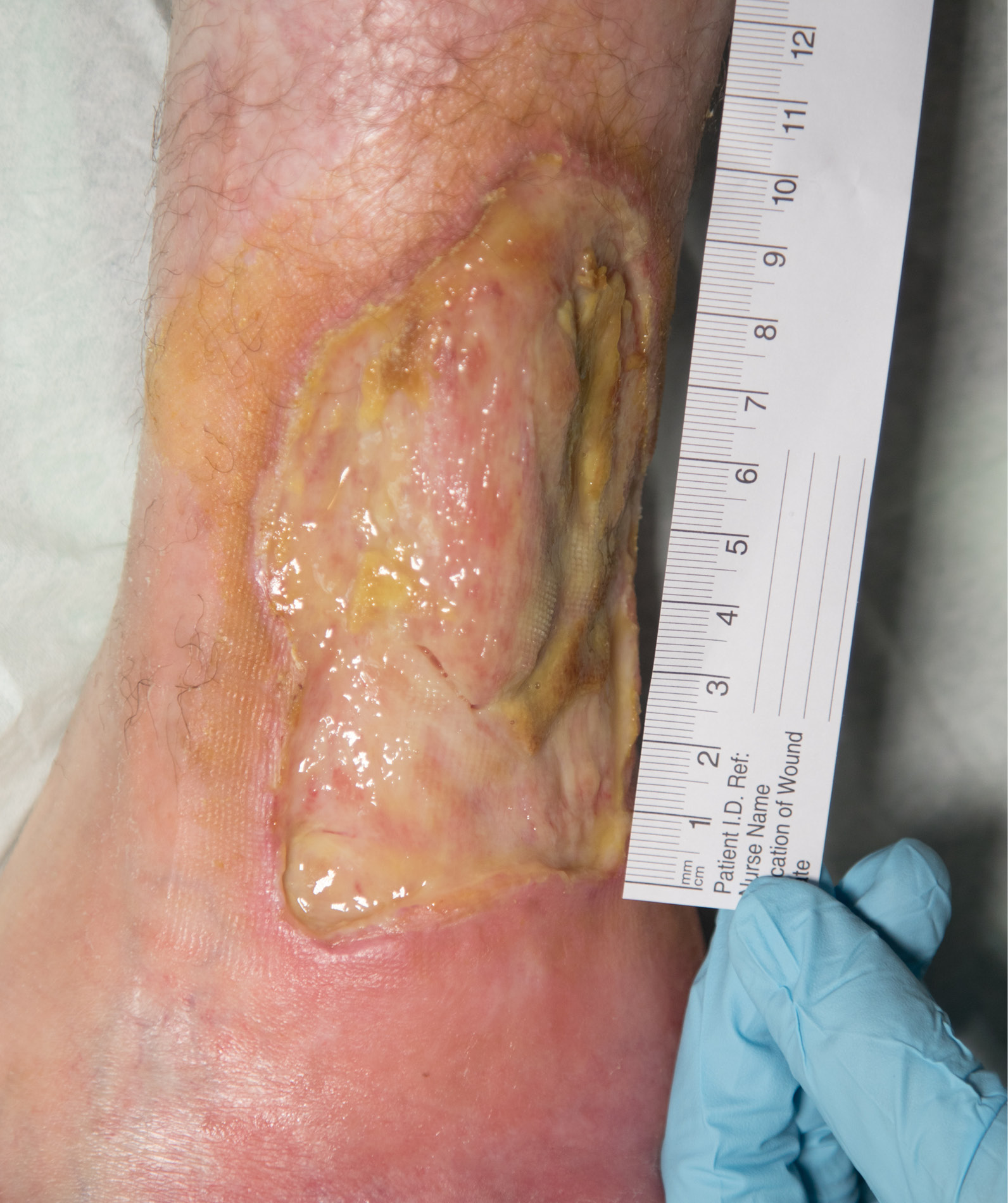

firmly adherent slough
- Thick, dry, yellow, brownish
- Large amount can be related to infection or inflamation
- Needs to be removed
- Debridement: different possiblities, also mechanical debridement2
Hint: the firmly adherent slough can be loosened by using the textured side of Debrisoft Duo
What is necrotic tissue?
Necrosis is the term used to describe the death of tissue in a specific area caused by factors such as infection, lack of blood flow (ischemia), physical injury, burns, or diseases where the body’s immune system attacks its own tissues. It is usually adherent to the wound bed.1
Dry necrosis
-
-
- May appear black, brownish
- Usually no infection
- Debridement: dry necrosis are mostly recommended not to be debrided1
-
Moist necrosis
-
-
- May damp, swollen, discoloured
- High risk of infection
- Debridement: mechanical
Debridement may be used 1
-
How to assess wound coatings?

- Before debridement the wound should be holistically diagnosed. This includes (amongst others) comorbidities; patient, social and environmental factors1
- The assessment determines whether it’s safe to debride and which method should be preferred1
- Patient safety is crucial before removing slough. Therefore, the following factors should be considered1:
– Location of the slough
– Underlying factors
– Patient’s general condition
– Skills and expertise of the health care staff
-
- The underlying reason for slough should be identified and managed1
- It’s important to differentiate slough from other vital structures such as fascia or tendon1
How can we help?
Are you interested in advanced solutions for wound care? Our team of experts is here to provide you with comprehensive knowledge and personalized advice. Whether it’s about choosing the right products or learning about the latest techniques in wound treatment, we are here for you.
Do not hesitate to get in touch:
References
- Mayer, D.O. et al.(2024) ‘Best practice for wound debridement’, Journal of Wound Care, 33(Sup6b), S1-S32. doi: 10.12968/jowc.2024.33.Sup6b.S1
- Townsend, E.C. et al. (2024) ‘What is slough? Defining the proteomic and microbial composition of slough and its implications for wound healing’, Wound Repair and Regeneration : Official Publication of the Wound Healing Society [and] the European Tissue Repair Society, 32(6), pp. 783–798. doi: 10.1111/wrr.13170