Debridement
In this section you are going to find an overview of Debridement and available techniques. Debridement is an essential process in wound care that involvesremoving non-viable and viable tissue to promote healing. Successful woundmanagement involves being aware of the different Debridement options fordifferent wound conditions1.
“Debridement is the removal of viable (living) and non-viable wound components, including necrotic material, slough, microorganisms, biofilm, extracellular polymeric substance (EPS) and foreign materials.
Its primary goal is to reduce the presence of both microbial and non-microbial components using the most effective methods with the fewest side effects.
These methods should be safely executable by a health professional with the knowledge and capability to do so, at the site of service, and within the boundaries of their sphere of practice.”¹
New Definition
So who can debride?

- Any HCP – by applying an autolytic wound dressing2
- Specialist – Certain methods of debridement require extra knowledge, skills and competencies e.g. surgical and sharp debridement, application of larvae and the more technical solutions2
- Some methods of debridement are very easy to use and require very little training and are therefore ideal for general use. For example, modern mechanical debridement with Monofilament Fibre Technology (Debrisoft®)3
- There are international differences in which tools can be used by which Health Care professional. Please always consider local guidelines
Why debride?
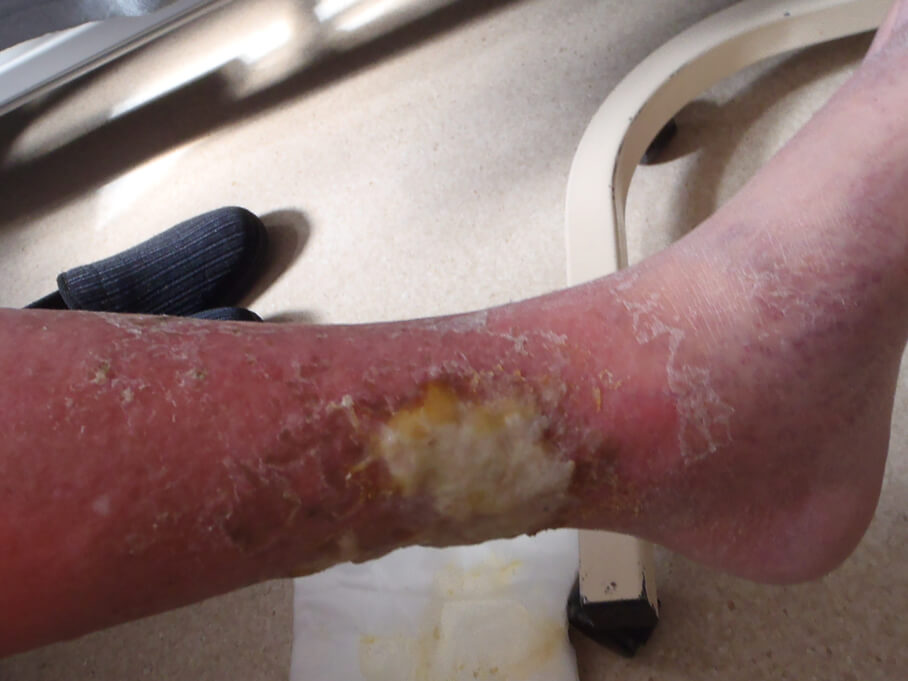
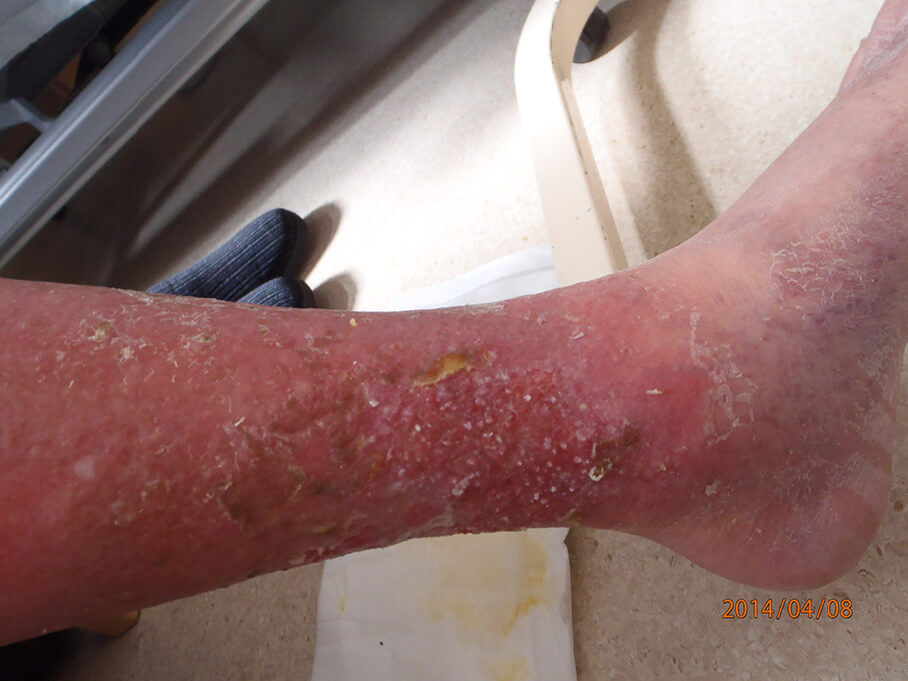
Because devitalised tissue…
- is a physical barrier to healing2
- may induce chronic inflammation2
- can prevent effectiveness of topical treatments2
- may cause underestimation of the wound extent2
- is a source of nutrients for bacteria2
- can mask or mimic signs of infection2
- can contribute to a septic response4
And what happens when we don’t debride?
The healing process
is impeded2,5
Exudate levels
will increase2,5
The surrounding skin may become damaged2,5
Bacteria will
proliferate2,5
The wound may become malodorous2,5
Wound infection may develop2,5
When and how should we debride?
Therefore, proper diagnosis in advance is necessary:
- Necrosis, eschar, slough, sources of infection present?6
- Exudate level of the wound bed from dry to wet6
- Pain
- Patient’s choice, age and environment
- Patient’s quality of life
- Skills and resources of the care giver
- Treatment setting
- Local access
- Level of inflammation
- Wound depth
- Regulations and guidelines
Which methods are available?
The Journal of Wound Care consensus paper on debridement suggests an integral approach to debridement:
“the combined use of different but complementary methods of debridement on the same wound” → tailored patient centric approach to wound care1
Categorisation of debridement methods:
- Some debridement methods can be used without another method needed, some other need and adjunct procedure1
- Debridement methods vary depending on their level of invasiveness1
Need an adjunct procedure1
- Autolytic: aligniate, hydrocolloids, hydro-desloughing wound dressings
- Osmotic: honey, hypertonic gels and dressings
- Enzymatic: collagenase enriched in bromelain, glucose oxidase and lactoperoxidase
- Chemical: single use topical gel
Standalone methods1
- Biological: contained larvae „tea bag“, free running larvae
- Mechanical: debridement pads, gauze
- Technical: hydrosurgical or ultrasonic
- Selective sharp/surgical: scalpel, scissors or curette
Deep dive mechanical debridement
- Physical removal of devitalised tissue and debris from the wounds bed1
- Debridement pads are more and more used and often preferred over traditional gauze1
- There is evidence for monofilament debridement pads to remove biofilm1
- Debridement pads can be used with a surfactant-containing solution1
- The use of saline-soaked gauze as a method of mechanical debridement should only be considered when no alternative method is accessible1
- Wet-to-dry method should never be used1: saline-moistened dressing that is placed in the wound bet, left to dry and removed after a few hours
How can we help?
Are you interested in advanced solutions for wound care? Our team of experts is here to provide you with comprehensive knowledge and personalized advice. Whether it’s about choosing the right products or learning about the latest techniques in wound treatment, we are here for you.
Do not hesitate to get in touch:
References
- Mayer, D.O. et al. (2024) ‘Best practice for wound debridement’, Journal of Wound Care, 33(Sup6b), S1-S32. doi: 10.12968/jowc.2024.33.Sup6b.S1
- Wounds UK (2013) ‘Effective debridement in a changing NHS: a UK consensus’, Wounds UK.
- Kerr, A. (2022) ‘Cutting costs and caseloads with a monofilament debridement pad’, Journal of Community Nursing, 36(6), pp. 42–48.
- Liepins, B. et al. (2023) ‘How clean is clean? In-vitro comparison of biofilm removal efficacy and cleaning characteristics of three debridement pads [Preprint]’. doi: 10.1101/2023.04.19.537160
- Meads, C., Lovato, E. and Longworth, L. (2015) ‘The Debrisoft(®) Monofilament Debridement Pad for Use in Acute or Chronic Wounds: A NICE Medical Technology Guidance’, Applied Health Economics and Health Policy, 13(6), pp. 583–594. doi: 10.1007/s40258-015-0195-0
- Strohal, R. et al. (2013) ‘EWMA document: Debridement. An updated overview and clarification of the principle role of debridement’, Journal of Wound Care, 22(1), p. 5. doi: 10.12968/jowc.2013.22.Sup1.S1